

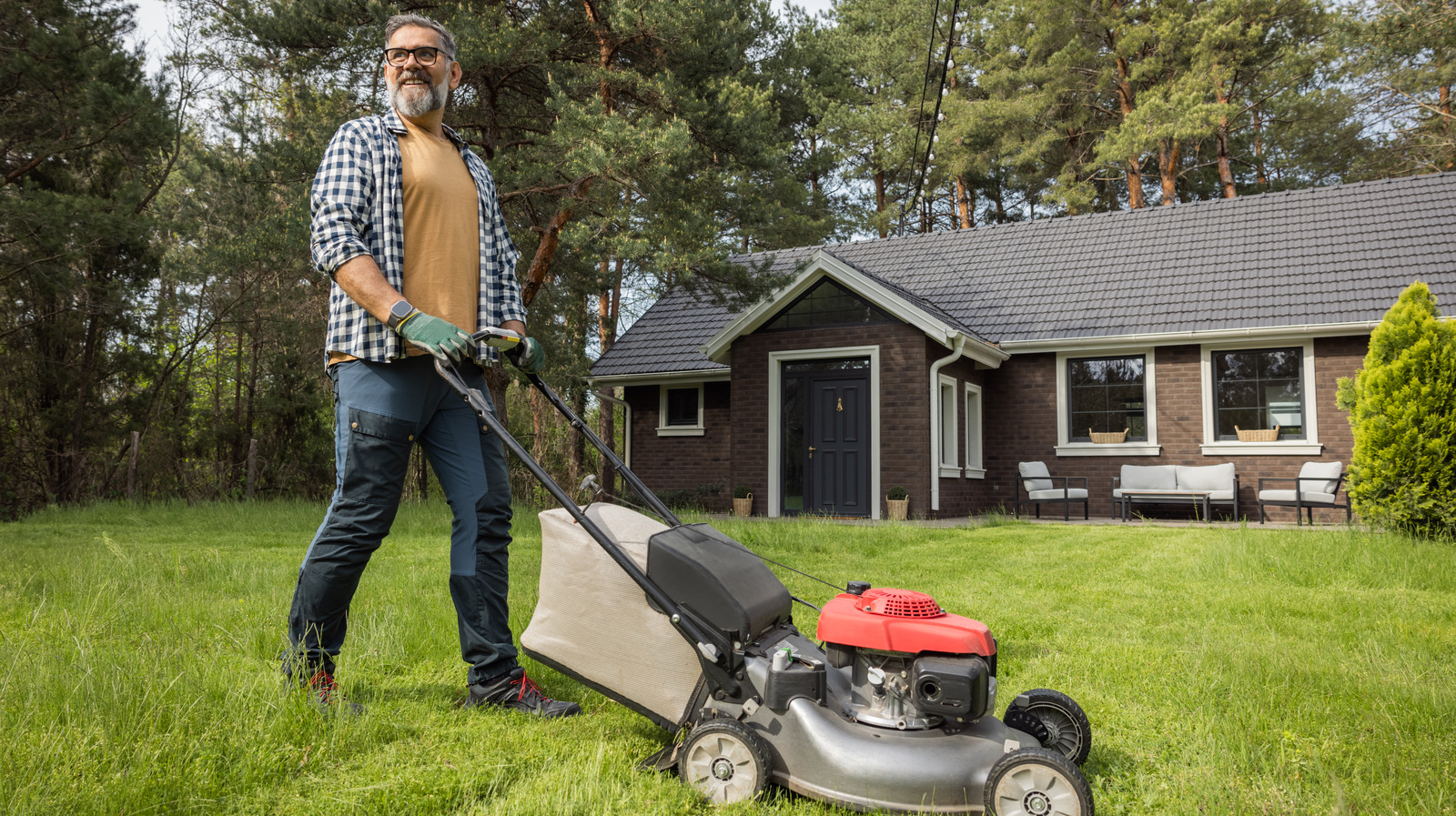
Is your lawn looking more like a jungle than a manicured masterpiece? Do you find yourself wrestling with a struggling mower, battling thick, stubborn grass that refuses to yield? You're not alone. Many homeowners face the challenge of maintaining unruly lawns, and the right equipment can make all the difference.
The frustration of a weak mower bouncing off dense patches, leaving behind an uneven, patchy cut, is something many of us know all too well. Spending hours repeating passes, fighting with the machine, and still not achieving the desired results can be incredibly disheartening. The time and effort wasted on a mower that simply isn't up to the task is a real burden.
This article is for anyone tired of struggling with their lawn. We'll explore the world of powerful self-propelled mowers designed specifically to tackle tough grass. If you're seeking a solution that saves you time, energy, and delivers a consistently beautiful lawn, keep reading.
We've explored the key features and benefits of powerful self-propelled mowers designed to conquer even the most challenging lawns. From robust engines and durable cutting decks to self-propulsion systems that ease the workload, these machines are built for performance. Understanding the power, durability, self-propulsion, and cutting capabilities will help you choose the right mower for your needs, transforming lawn care from a chore into a satisfying experience.
Why Choose a Self-Propelled Mower for Tough Grass?
Let me tell you about my own wrestling match with a less-than-stellar mower. I inherited my grandfather's old push mower, a real relic of a bygone era. While it held sentimental value, it was absolutely useless on my slightly overgrown, uneven lawn. Pushing that thing felt like trying to move a mountain! The grass was thick in spots, and the mower would constantly stall or just flatten the grass instead of cutting it. I spent hours, sweating and straining, and the lawn still looked terrible. Finally, after a particularly grueling afternoon, I decided enough was enough. I started researching self-propelled mowers, specifically those designed for tough grass. The difference was night and day. The self-propelled feature meant I wasn't relying solely on my own strength to push the mower. The more powerful engine and sturdy blade sliced through the thickest patches with ease. It transformed lawn care from a dreaded chore into something almost…enjoyable.
Self-propelled mowers are an absolute game-changer when dealing with tough grass, hills, or large yards. The "self-propelled" part means the mower's engine powers the wheels, assisting you in moving forward. This is especially beneficial if you have a lot of ground to cover or if your lawn has slopes. The most powerful models are equipped with high-torque engines, often gas-powered, specifically designed to maintain consistent blade speed even when encountering dense grass. Look for features like variable speed control, which allows you to adjust the pace to your comfort and the lawn's condition. The design of the cutting deck is also crucial. Deeper decks and specially designed blades are better at creating airflow, lifting the grass, and ensuring a clean, even cut. Choosing the right self-propelled mower can drastically reduce the effort required and improve the overall appearance of your lawn. Think about features like rear-wheel drive for better traction on hills or all-wheel drive for maximum control in challenging terrain. Investing in a quality self-propelled mower is an investment in your time, energy, and the beauty of your property.
Understanding the Power Behind the Cut
What exactly makes a self-propelled mower "powerful"? It boils down to several key components working together. The heart of the mower is the engine. Generally, for tough grass, you'll want to look for engines with a higher cubic capacity (cc) – typically, anything over 160cc is a good starting point. This translates to more torque, which is the twisting force that keeps the blade spinning even when faced with resistance from thick grass.
Beyond the engine, the blade design plays a significant role. A well-designed blade creates lift, pulling the grass upright before it's cut. This leads to a cleaner, more even cut and helps prevent the mower from bogging down. Look for blades that are sharpened and balanced properly. The deck design, as mentioned earlier, also contributes to airflow and efficient cutting. The material the deck is made from is also important. Steel decks are more durable than plastic ones and can withstand the rigors of mowing tough grass. The self-propulsion system is another critical element. Different mowers offer different drive systems – front-wheel drive, rear-wheel drive, and all-wheel drive. Rear-wheel drive is often preferred for tackling hills and uneven terrain because it provides better traction. Consider these factors when evaluating the power and performance of a self-propelled mower. Choosing a mower with a powerful engine, a well-designed blade and deck, and the appropriate drive system will ensure you can conquer even the toughest grass with ease.
A Brief History and Some Myths
The evolution of the lawnmower is a fascinating tale. The first lawnmowers, invented in the early 19th century, were large, cumbersome machines designed for use on estates and in parks. These early models were manually powered, requiring significant physical effort to operate. It wasn't until the late 19th and early 20th centuries that powered lawnmowers began to emerge, first with steam engines and then with internal combustion engines. Self-propelled models gradually gained popularity as technology improved and became more affordable.
One common myth is that all self-propelled mowers are created equal. This is simply not true. The power, quality, and features can vary significantly between different brands and models. Another myth is that you need the most expensive mower to handle tough grass. While a higher price tag often indicates better quality, it's not always necessary. Researching the specifications and reading reviews will help you find a mower that meets your needs without breaking the bank. Finally, some people believe that self-propelled mowers are only for the elderly or those with physical limitations. While they certainly benefit those individuals, self-propelled mowers can make lawn care easier and more efficient for anyone, regardless of age or fitness level. They reduce fatigue and allow you to tackle larger lawns or challenging terrain with greater ease.
The Hidden Secret: Proper Maintenance
The secret to keeping your powerful self-propelled mower performing at its best lies in proper maintenance. Neglecting maintenance can lead to reduced power, poor cutting performance, and a shortened lifespan for your mower. Regular maintenance involves several key tasks.
First and foremost, clean your mower after each use. Remove grass clippings and debris from the deck and around the engine. These clippings can trap moisture and lead to rust and corrosion. Regularly check and sharpen the blade. A dull blade will tear the grass instead of cutting it cleanly, resulting in a brown, ragged appearance. Change the oil regularly, following the manufacturer's recommendations. Dirty oil can damage the engine and reduce its lifespan. Inspect the air filter and clean or replace it as needed. A clogged air filter can restrict airflow to the engine, reducing its power and efficiency. Check the spark plug and replace it if it's fouled or worn. A faulty spark plug can cause the engine to run poorly or not start at all. Finally, lubricate moving parts, such as the wheels and drive cables, to keep them functioning smoothly. By following a regular maintenance schedule, you can ensure that your self-propelled mower continues to deliver the power and performance you need to tackle tough grass for years to come. Proper maintenance not only extends the life of your mower but also ensures a consistently beautiful lawn.
Recommendations for Powerful Self-Propelled Mowers
Choosing the right self-propelled mower can feel overwhelming, given the wide variety of models available. To help you narrow down your options, here are a few recommendations based on different needs and budgets. For homeowners with large lawns and challenging terrain, theToro Super Recycler is a popular choice. It features a powerful engine, a durable deck, and a Personal Pace self-propulsion system that automatically adjusts to your walking speed. For those on a tighter budget, theCraftsman M215 offers a good balance of power and affordability. It has a reliable engine, a 3-in-1 cutting deck (mulch, bag, side discharge), and rear-wheel drive for improved traction. If you're looking for an eco-friendly option, consider a battery-powered self-propelled mower like theEGO Power+ LM2102SP. These mowers offer comparable power to gas models without the noise, emissions, or maintenance.
When making your decision, consider the size of your lawn, the type of grass you have, and the terrain. Read reviews and compare specifications to find a mower that meets your specific needs. Don't be afraid to ask for advice from lawn care professionals or knowledgeable sales staff. Investing in a high-quality self-propelled mower will pay off in the long run with a beautiful, healthy lawn and a more enjoyable mowing experience. Think about warranty options as well – a longer warranty can provide peace of mind and protect your investment.
Choosing the Right Features for Your Lawn
When selecting a powerful self-propelled mower, consider the specific features that will best suit your lawn's needs. Mulching capability is a valuable feature that allows you to recycle grass clippings back into the lawn as fertilizer. This can save you money on fertilizer and improve the health of your soil. A bagging system is useful for collecting grass clippings, especially if you prefer a pristine, manicured look. Side discharge is a convenient option for quickly dispersing grass clippings over a wider area.
Variable speed control allows you to adjust the mower's speed to match your walking pace and the density of the grass. This can help you maintain a consistent cutting speed and avoid fatigue. Adjustable cutting height allows you to customize the length of the grass to your preference. Larger wheels provide better traction and maneuverability, especially on uneven terrain. Electric start eliminates the need to pull a starter rope, making it easier to start the mower. Consider these features carefully when making your decision. The right features will make your mowing experience more efficient and enjoyable and will help you achieve the desired results for your lawn.
Tips for Mowing Tough Grass
Mowing tough grass requires a few adjustments to your technique to ensure a clean and even cut. First, make sure your blade is sharp. A dull blade will tear the grass, leaving it looking ragged and brown. Sharpen your blade regularly, or replace it if it's too worn. Cut the grass when it's dry. Wet grass tends to clump together and is more difficult to cut evenly. Overlap your passes slightly to ensure that you don't miss any spots.
Adjust the cutting height according to the type of grass you have. As a general rule, it's best to avoid cutting off more than one-third of the grass blade at a time. This can stress the grass and make it more susceptible to disease. Mow in a different direction each time you mow to prevent the grass from developing a grain. This will also help to promote even growth. If the grass is particularly thick or overgrown, consider making multiple passes at different cutting heights. This will help to avoid bogging down the mower and ensure a clean cut. By following these tips, you can achieve a beautiful and healthy lawn, even when dealing with tough grass.
Understanding Different Drive Systems
The type of drive system your self-propelled mower uses can significantly impact its performance and handling. Front-wheel drive (FWD) mowers are generally less expensive and easier to maneuver on flat, even terrain. However, they may struggle on hills or when the grass is thick and wet. Rear-wheel drive (RWD) mowers offer better traction and are better suited for tackling hills and uneven terrain. The rear wheels provide more power to the ground, making it easier to maintain a consistent speed. All-wheel drive (AWD) mowers provide the best traction and control in all conditions. They are ideal for large lawns with challenging terrain or for those who want maximum maneuverability.
When choosing a drive system, consider the specific characteristics of your lawn. If you have a flat, even lawn, a FWD mower may be sufficient. If you have hills or uneven terrain, a RWD or AWD mower is a better choice. Test drive different models to see which type of drive system feels most comfortable and provides the best control for you. The right drive system will make mowing easier and more efficient, and will help you achieve a beautiful and healthy lawn.
Fun Facts About Lawnmowers
Did you know that the first lawnmower was invented in 1830 by Edwin Budding, an engineer in Gloucestershire, England? Budding's invention was inspired by a machine used to trim velvet in the textile industry. The first lawnmowers were large, heavy, and difficult to operate, but they quickly gained popularity among wealthy landowners. The first patent for a lawnmower in the United States was granted to Amariah Hills in 1868.
Lawnmower racing is a popular sport in some parts of the world. Participants race modified lawnmowers on dirt tracks, reaching speeds of up to 50 miles per hour. The world's largest lawnmower is located in Wisconsin and measures over 12 feet wide and 10 feet tall. Lawnmowers are responsible for a significant number of injuries each year, so it's important to operate them safely and follow all safety precautions. The sound of a lawnmower is a common sound of summer, evoking feelings of relaxation and enjoyment for many people. These fun facts highlight the interesting history and cultural significance of lawnmowers, a ubiquitous tool that plays a vital role in maintaining our lawns and gardens.
How to Properly Store Your Mower
Proper storage of your self-propelled mower during the off-season is crucial to ensure it's ready to go when spring arrives. Start by thoroughly cleaning the mower. Remove any grass clippings, dirt, and debris from the deck and engine. Drain the fuel tank completely. Gasoline can degrade over time and cause problems with the engine. If you're using fuel stabilizer, add it to the fuel tank and run the engine for a few minutes to distribute it throughout the fuel system.
Remove the spark plug and add a teaspoon of engine oil to the cylinder. Pull the starter rope a few times to distribute the oil. This will help to prevent rust and corrosion inside the engine. Clean or replace the air filter. Store the mower in a dry, protected location, such as a garage or shed. Cover the mower with a tarp or cover to protect it from dust and moisture. Disconnect the battery (if applicable) and store it in a cool, dry place. By following these storage tips, you can ensure that your self-propelled mower will start easily and run smoothly when you need it next season.
What If Your Mower Still Struggles?
Even with a powerful self-propelled mower, you might encounter situations where the grass is simply too tough or overgrown. In these cases, there are a few things you can try. First, raise the cutting height of the mower. This will reduce the amount of grass that the blade has to cut at once. Make multiple passes over the area, gradually lowering the cutting height each time.
If the grass is very thick, consider using a lawn dethatcher to remove the layer of dead grass and debris that can accumulate on the surface of the soil. This will allow the mower to cut the grass more easily. In extreme cases, you may need to use a string trimmer or brush cutter to clear the overgrown area before mowing. If you've tried these steps and your mower is still struggling, it may be time to consult a lawn care professional. They can assess the condition of your lawn and recommend the best course of action.
Top 5 Reasons to Choose a Powerful Self-Propelled Mower: A Listicle
1.Effortless Mowing: Say goodbye to struggling and pushing! Self-propelled mowers do the work for you, making lawn care a breeze.
2.Tackles Tough Grass: Power through thick, dense grass with ease, achieving a clean and even cut.
3.Ideal for Hills and Slopes: Conquer challenging terrain without breaking a sweat.
4.Saves Time and Energy: Get the job done faster and with less physical exertion, leaving you more time to enjoy your lawn.
5.Professional-Looking Results: Achieve a beautifully manicured lawn that enhances your home's curb appeal.
These are just a few of the many benefits of owning a powerful self-propelled mower. With the right mower, you can transform your lawn care routine and achieve the lawn of your dreams.
Question and Answer
Q: What size engine do I need for a self-propelled mower to handle tough grass?
A: Generally, you'll want an engine with a cubic capacity (cc) of 160cc or higher for tough grass. This provides sufficient torque to maintain blade speed even in dense conditions.
Q: Is rear-wheel drive or front-wheel drive better for hills?
A: Rear-wheel drive is generally better for hills as it provides better traction. The rear wheels have more weight on them, allowing them to grip the ground more effectively.
Q: How often should I sharpen the blade on my self-propelled mower?
A: Sharpen the blade at least once a year, or more often if you notice that the mower is tearing the grass instead of cutting it cleanly.
Q: Can I use a self-propelled mower on wet grass?
A: It's best to avoid mowing wet grass, as it can clump together and make it difficult to achieve an even cut. Additionally, mowing wet grass can damage the lawn and promote the growth of fungus.
Conclusion of Powerful self-propelled mowers for tough grass
Investing in a powerful self-propelled mower designed for tough grass can transform your lawn care experience. By understanding the key features, benefits, and maintenance requirements, you can choose the right mower for your needs and enjoy a beautifully manicured lawn for years to come. Say goodbye to frustrating mowing sessions and hello to a more efficient and enjoyable lawn care routine.