

Imagine effortlessly gliding across your lawn, the smell of freshly cut grass filling the air, with the option to either neatly collect clippings or return them to the earth as valuable mulch. Sounds idyllic, right? But what if you're tired of wrestling with a heavy mower, struggling to maneuver around obstacles, and constantly switching between modes?
Many homeowners find themselves frustrated by the limitations of their lawnmowers. Perhaps they’re dealing with the sheer physical exertion required to push a heavy machine, especially on uneven terrain or inclines. Or maybe they’re constantly battling a build-up of clippings that clog the discharge chute, or struggling to find the right balance between bagging for a pristine look and mulching for healthier grass. The constant tweaking and adjusting can eat into precious weekend time that could be better spent enjoying your outdoor space.
This article is for anyone looking for a smarter, easier way to maintain their lawn. We're diving into the world of self-propelled mowers with bagging and side discharge options, exploring how they can simplify your lawn care routine and deliver a perfectly manicured lawn every time. We'll cover everything from the benefits of each feature to choosing the right mower for your needs, ensuring you can spend less time working on your lawn and more time enjoying it.
In short, we'll explore self-propelled mowers offering bagging and side discharge capabilities. This winning combination offers convenience, efficiency, and versatility, letting you tailor your mowing to the specific needs of your lawn and your personal preferences. We'll unpack the benefits of self-propulsion, the advantages of bagging for a clean finish, and the value of side discharge for mulching and nutrient return. We’ll also touch on factors to consider when choosing the right model, including engine power, deck size, and overall build quality. This will cover self-propelled lawn mowers, bagging mowers, side discharge mowers, mulching mowers, and lawn care tips.
My First Self-Propelled Mower: A Game Changer
I remember the day I finally upgraded to a self-propelled mower with bagging and side discharge. For years, I’d been wrestling with a hand-me-down push mower that felt like it weighed a ton, especially on the slight incline in my backyard. It was a workout just to get the lawn mowed, and the results were never quite what I wanted. The bagging option was a constant struggle – always overflowing, constantly needing to be emptied. The side discharge was okay, but it left clumps of grass everywhere if I wasn’t meticulous. Then I bit the bullet and invested in a self-propelled model. Seriously, it was like night and day! The self-propelled feature was a lifesaver on the incline, and the variable speed control let me adjust the pace to match my stride. The bagging system was much more efficient, and the side discharge worked beautifully for mulching when I wanted to return nutrients to the lawn. No more wrestling with a heavy machine! No more sore muscles after a simple mow. The best part? My lawn actually looked better. With more consistent cutting and the ability to easily switch between bagging and mulching, the grass was healthier and more vibrant. It was a small investment that made a huge difference in both the appearance of my yard and my overall quality of life.
What Exactly Isa Self-Propelled Mower with Bagging and Side Discharge?
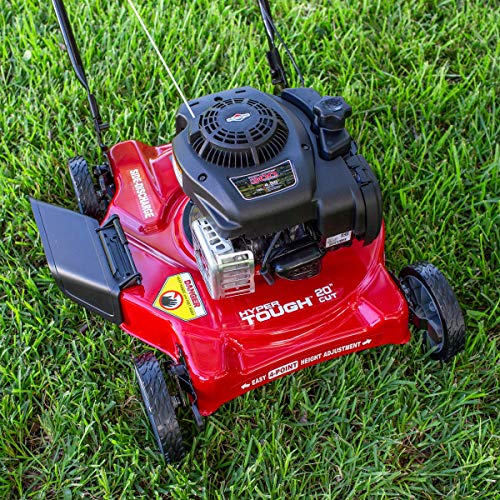
A self-propelled mower with bagging and side discharge is exactly what it sounds like: a lawnmower that moves itself forward, taking the effort out of pushing. The "self-propelled" aspect means the engine powers the wheels, allowing you to simply guide the mower rather than physically pushing it across your lawn. The bagging feature allows you to collect grass clippings into a bag attached to the mower, providing a clean, manicured look and preventing thatch buildup. The side discharge option ejects grass clippings out the side of the mower deck, ideal for longer grass or when you want to return nutrients to the soil as mulch. It’s a 3-in-1 kind of tool, which is why it’s so popular. These mowers typically have adjustable cutting heights, allowing you to customize the length of your grass to your preference. They are powered by either gasoline engines or electric motors (battery-powered or corded), each offering different advantages in terms of power, convenience, and environmental impact. A well-designed self-propelled mower with bagging and side discharge combines power, versatility, and ease of use, making it a valuable tool for any homeowner who takes pride in their lawn.
A Brief History and Some Common Myths
The history of the lawnmower dates back to the early 19th century, with the invention of the first mechanical lawnmower by Edwin Beard Budding in England. These early mowers were large, heavy machines pulled by horses. Self-propelled mowers emerged much later, with the development of smaller, more efficient gasoline engines. The integration of bagging and side discharge features further enhanced the versatility of these machines, allowing homeowners to customize their lawn care practices. One common myth is that self-propelled mowers are only for people with large lawns or physical limitations. While they are certainly beneficial in those situations, the convenience and ease of use of a self-propelled mower make them a worthwhile investment for anyone who wants to simplify their lawn care routine. Another myth is that bagging is always the best option for lawn care. While bagging provides a clean, manicured look, mulching with the side discharge option can actually be beneficial for your lawn by returning nutrients to the soil. The best approach depends on your individual preferences and the specific needs of your lawn. Modern self-propelled mowers are a far cry from their horse-drawn predecessors, offering a range of features and technologies designed to make lawn care easier and more efficient.
The Hidden Secret: Proper Maintenance
The hidden secret to getting the most out of your self-propelled mower with bagging and side discharge is proper maintenance. Like any piece of machinery, a lawnmower requires regular care to ensure optimal performance and longevity. This includes tasks such as changing the oil, cleaning or replacing the air filter, sharpening the blades, and inspecting the spark plug. Neglecting these maintenance tasks can lead to reduced engine performance, increased fuel consumption, and even costly repairs. One often-overlooked aspect of maintenance is cleaning the mower deck after each use. Grass clippings can build up under the deck, hindering airflow and reducing the effectiveness of the bagging and side discharge systems. Regular cleaning will prevent this buildup and ensure that your mower performs at its best. Another important tip is to store your mower properly during the off-season. Drain the fuel tank, clean the mower thoroughly, and store it in a dry, protected location. By following these simple maintenance tips, you can extend the life of your self-propelled mower and enjoy a well-manicured lawn for years to come. Proper maintenance also ensures safety, preventing accidents and injuries caused by malfunctioning equipment. A well-maintained mower is a safe and efficient mower.
Recommendations: Choosing the Right Mower
When choosing a self-propelled mower with bagging and side discharge, several factors should be considered to ensure you select the right model for your needs. First, consider the size of your lawn. A larger lawn will benefit from a mower with a wider cutting deck, allowing you to cover more ground in less time. Smaller lawns may be better suited to a more compact model that is easier to maneuver. Next, think about the terrain of your lawn. If you have hills or uneven areas, a self-propelled mower with variable speed control is essential. This will allow you to adjust the pace of the mower to match the terrain, making it easier to maintain control. Also, consider the type of grass you have. Different types of grass require different cutting heights, so choose a mower with adjustable cutting height settings. Finally, consider your budget. Self-propelled mowers with bagging and side discharge range in price from a few hundred dollars to over a thousand dollars. While it may be tempting to opt for the cheapest model, it is important to consider the long-term value of investing in a higher-quality mower that will last longer and perform better. Look for models with durable construction, reliable engines, and user-friendly features. Research different brands and read customer reviews to get a sense of which mowers are the most reliable and well-regarded.
Engine Power and Deck Size: Key Considerations
Engine power and deck size are two of the most important factors to consider when choosing a self-propelled mower. Engine power, typically measured in cubic centimeters (cc) for gasoline engines or volts for electric motors, determines the mower's ability to cut through thick grass and power the self-propulsion system. A more powerful engine will be necessary for larger lawns or lawns with dense grass. Deck size, measured in inches, refers to the width of the mower's cutting blade. A wider deck will allow you to cover more ground in less time, making it a good choice for larger lawns. However, a wider deck can also make the mower more difficult to maneuver in tight spaces. The optimal engine power and deck size will depend on the size and terrain of your lawn, as well as your personal preferences. A good rule of thumb is to choose an engine with at least 160cc for a 21-inch deck, and an engine with at least 190cc for a 22-inch deck or larger. Electric mowers typically offer comparable power to gasoline engines, with higher voltage models providing more cutting power. Consider both engine power and deck size in conjunction with other features such as self-propulsion speed control and bagging capacity to choose the best mower for your needs.
Essential Tips for Optimal Use
To ensure you get the best performance from your self-propelled mower with bagging and side discharge, follow these essential tips. First, always start with a sharp blade. A dull blade will tear the grass instead of cutting it cleanly, leading to a brown, uneven lawn. Sharpen your blade regularly, or replace it if it is damaged. Second, mow your lawn when the grass is dry. Wet grass is more difficult to cut and can clog the mower deck. Third, overlap each pass slightly to ensure that you cut all of the grass evenly. Fourth, adjust the cutting height to the appropriate level for your type of grass. Mowing too low can damage the grass and make it more susceptible to disease. Fifth, empty the grass bag frequently to prevent it from becoming too full and reducing the mower's performance. Sixth, clean the mower deck after each use to prevent grass clippings from building up and hindering airflow. Seventh, store your mower in a dry, protected location during the off-season. Following these tips will help you keep your lawn looking its best and extend the life of your self-propelled mower. You can also consider a robotic mower for the best results.
Selecting the Right Cutting Height
Choosing the right cutting height is crucial for maintaining a healthy and attractive lawn. The optimal cutting height will depend on the type of grass you have, as well as your personal preferences. As a general rule, it is best to avoid cutting more than one-third of the grass blade at a time. Cutting too much grass can stress the plant and make it more susceptible to disease. For most common types of grass, a cutting height of 2.5 to 3 inches is ideal. However, some grasses, such as Bermuda grass, can be mowed shorter. Consult with a local lawn care expert or research the specific needs of your grass type to determine the optimal cutting height. Experiment with different cutting heights to find what works best for your lawn. Remember that it is always better to err on the side of mowing too high than mowing too low. Raise the cutting height during hot, dry weather to help the grass retain moisture. Lower the cutting height slightly during cooler, wetter weather to promote growth. Adjust the cutting height gradually over time to avoid stressing the grass. Regular mowing at the correct height will promote a healthy, lush lawn.
Fun Facts About Lawnmowers
Did you know that the first lawnmower was invented in 1830 by Edwin Beard Budding, a textile engineer from England? Budding's invention was inspired by a machine used to trim velvet in textile factories. Early lawnmowers were large, heavy machines pulled by horses. The first gasoline-powered lawnmower was invented in 1902 by James Sumner, an American engineer. Self-propelled mowers were not widely available until the mid-20th century. The world's largest lawnmower is the "Big Bud," a custom-built machine that is 27 feet wide and weighs over 50,000 pounds. The term "lawnmower" is sometimes used to refer to a person who cuts grass for a living. There are lawnmower racing competitions held around the world, where participants race modified lawnmowers at speeds of up to 60 miles per hour. The average lawnmower can cut up to 10 acres of grass in its lifetime. Lawnmowers have been used in various forms of art, including sculptures and paintings. The lawnmower has become an iconic symbol of suburban life. These fun facts highlight the rich history and cultural significance of the lawnmower, a seemingly simple machine that has revolutionized lawn care.
How to Choose Between Bagging and Side Discharge
Choosing between bagging and side discharge depends on your lawn care goals and personal preferences. Bagging is ideal for achieving a clean, manicured look and preventing thatch buildup. When you bag your grass clippings, you remove them from the lawn, preventing them from decomposing and forming a layer of thatch. This can improve the health and appearance of your lawn, especially if you have a tendency to over-fertilize or over-water. Side discharge, on the other hand, is a great option for mulching and returning nutrients to the soil. When you side discharge your grass clippings, they are chopped up into small pieces and deposited back onto the lawn as mulch. This mulch decomposes over time, releasing valuable nutrients back into the soil and reducing the need for chemical fertilizers. Side discharge is also a good option for longer grass or when you want to avoid the hassle of emptying the grass bag. If you are unsure which option is best for you, experiment with both bagging and side discharge to see which one you prefer. You can also switch between the two options depending on the season and the condition of your lawn. For example, you might bag your grass clippings in the spring to prevent thatch buildup and side discharge them in the fall to provide a natural fertilizer for your lawn.
What If Your Mower Isn't Performing as Expected?
If your self-propelled mower with bagging and side discharge isn't performing as expected, there are several potential issues to investigate. Start by checking the basics: is the fuel tank full? Is the spark plug clean and properly connected? Is the air filter clean? If these are all in order, the next step is to inspect the mower blades. Dull or damaged blades can significantly reduce the mower's cutting performance. Sharpen or replace the blades as needed. Also, check the mower deck for any buildup of grass clippings. This buildup can obstruct airflow and prevent the mower from bagging or side discharging properly. Clean the mower deck thoroughly with a scraper and a wire brush. If the self-propulsion system is not working correctly, check the drive belt for signs of wear or damage. Replace the drive belt if necessary. If the engine is running poorly, it may be necessary to clean the carburetor or adjust the engine settings. Consult with a qualified mechanic if you are not comfortable performing these tasks yourself. Regular maintenance and troubleshooting can help you keep your self-propelled mower running smoothly and efficiently for years to come. Don't ignore warning signs such as unusual noises or vibrations. Addressing these issues promptly can prevent more serious problems down the road.
Top 5 Benefits of Using These Mowers
Here's a quick listicle of the top 5 benefits of using a self-propelled mower with bagging and side discharge: 1. Reduced Effort: The self-propelled feature takes the strain out of mowing, especially on hills or uneven terrain.
2. Versatile Cutting Options: Choose between bagging for a clean look and side discharge for mulching.
3. Improved Lawn Health: Mulching returns nutrients to the soil, promoting healthy grass growth.
4. Time Savings: A wider cutting deck and efficient bagging system can reduce mowing time.
5. Professional Results: Achieve a manicured lawn with ease, thanks to consistent cutting and customizable settings. These benefits make self-propelled mowers with bagging and side discharge a valuable investment for any homeowner who takes pride in their lawn. By combining power, versatility, and ease of use, these mowers offer a convenient and effective way to maintain a beautiful and healthy lawn. Consider these benefits when deciding whether a self-propelled mower with bagging and side discharge is right for you.
Question and Answer
Here are some frequently asked questions about self-propelled mowers with bagging and side discharge:
Q: What is the best type of engine for a self-propelled mower?
A: Both gasoline and electric engines have their advantages. Gasoline engines offer more power and longer run times, while electric engines are quieter, more environmentally friendly, and require less maintenance. The best choice depends on your individual needs and preferences.
Q: How often should I sharpen my mower blades?
A: You should sharpen your mower blades at least once a year, or more often if you notice that the blades are dull or damaged. Dull blades can tear the grass instead of cutting it cleanly, leading to a brown, uneven lawn.
Q: Is bagging or side discharge better for my lawn?
A: Both bagging and side discharge have their benefits. Bagging provides a clean, manicured look and prevents thatch buildup, while side discharge returns nutrients to the soil and reduces the need for chemical fertilizers. The best choice depends on your individual needs and preferences.
Q: How do I maintain my self-propelled mower?
A: Regular maintenance is essential for keeping your self-propelled mower running smoothly. This includes tasks such as changing the oil, cleaning or replacing the air filter, sharpening the blades, and inspecting the spark plug. Consult your owner's manual for specific maintenance recommendations.
Conclusion of Self-propelled mowers with bagging and side discharge
Ultimately, a self-propelled mower with bagging and side discharge isn't just a lawn care tool; it's an investment in your time, your lawn's health, and your overall enjoyment of your outdoor space. By understanding the benefits of each feature, choosing the right model for your needs, and following proper maintenance practices, you can unlock the full potential of these versatile machines and achieve a lawn that you can be proud of. So, ditch the struggle, embrace the convenience, and experience the difference a self-propelled mower can make.