

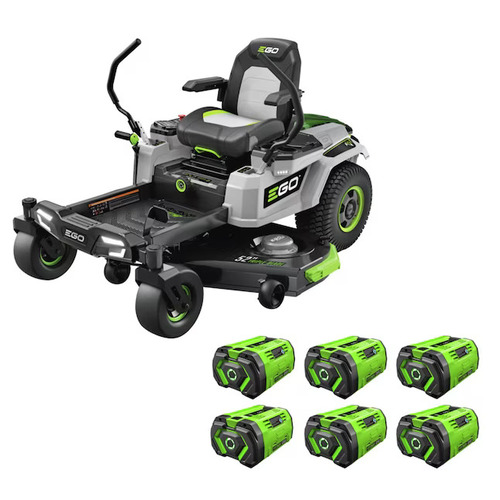
Imagine spending your weekends effortlessly gliding across your expansive lawn, the smell of freshly cut grass filling the air, all without the aches and pains that usually accompany such a task. Sounds appealing, doesn't it? Well, it's entirely possible with the right equipment!
For those of us blessed with larger yards, the thought of tackling lawn care can be, let's just say, less than thrilling. We're talking about hours spent pushing a heavy mower, battling uneven terrain, and ultimately ending the day feeling exhausted and defeated. The vision of a perfectly manicured lawn often fades amidst the reality of physical strain and time constraints.
This article is dedicated to helping you find the perfect reliable self-propelled lawn mower for your large yard. We'll explore what to look for in a mower that can handle the demands of extensive lawns, ensuring you spend less time working and more time enjoying your outdoor space.
In this guide, we'll dive into the key features to consider when selecting a self-propelled mower for larger properties. We'll discuss engine power, drive systems, deck size, mulching capabilities, and overall durability. By understanding these elements, you can confidently choose a mower that will make lawn care a breeze. Key terms we'll explore include self-propelled mowers, large yards, engine power, drive systems, deck size, and mulching.
My Personal Experience with Self-Propelled Mowers
I remember the days of wrestling with my old push mower across my half-acre yard. Every Saturday was a battle, filled with sweat, frustration, and the occasional near-miss with a rogue tree root. It felt like an endless chore, and frankly, I dreaded it. Then, I finally invested in a quality self-propelled mower, and it was a game-changer. Suddenly, the chore became almost… enjoyable. The self-propelled function took all the strain off my arms and back, allowing me to focus on achieving that perfect cut. I could tackle inclines with ease, and the larger deck size meant fewer passes across the lawn. It truly transformed my lawn care routine.
Now, let's talk about what makes a self-propelled mower so valuable for large yards. The key benefit is, of course, the self-propelled drive system. This feature eliminates the need to physically push the mower, instead using the engine to power the wheels. This is a lifesaver on larger properties where the distance you need to cover is significant. A larger deck size also reduces mowing time, as it cuts a wider swath with each pass. Beyond the physical benefits, self-propelled mowers often come equipped with other useful features, such as variable speed settings, which allow you to adjust the pace to match your walking speed and the terrain. Investing in a reliable model ensures longevity and reduces the likelihood of breakdowns, saving you time and money in the long run. Look for models with powerful engines that can handle thick grass and uneven surfaces without bogging down. The combination of these factors makes a reliable self-propelled mower an essential tool for anyone with a large yard.
What is a Reliable Self-Propelled Lawn Mower?
A reliable self-propelled lawn mower, in essence, is a lawn-cutting machine designed for ease of use and long-term performance, especially crucial for expansive lawns. Unlike push mowers that rely solely on human power, these mowers utilize an engine to drive the wheels, allowing the user to simply guide the machine. Reliability stems from a combination of factors including a robust engine, a durable drive system, a sturdy cutting deck, and quality construction materials.
Delving deeper, a reliable self-propelled mower should be able to consistently start, operate smoothly, and withstand the rigors of regular use. This means the engine needs to be powerful enough to handle thick grass and uneven terrain without stalling or losing power. The drive system, whether it's front-wheel drive, rear-wheel drive, or all-wheel drive, should provide consistent traction and control. The cutting deck needs to be made from durable materials that can resist corrosion and impacts. Furthermore, all the components should be assembled with precision and quality to ensure long-term performance and minimize the need for repairs. Beyond the technical aspects, a reliable mower also incorporates user-friendly features, such as easy start mechanisms, adjustable cutting heights, and comfortable handles, that enhance the overall mowing experience. In essence, a reliable self-propelled lawn mower is a workhorse that consistently delivers a clean, even cut across large areas, making lawn care less of a chore and more of a manageable task.
History and Myths of Self-Propelled Lawn Mowers
While the concept of lawn mowing dates back centuries, the self-propelled lawn mower is a relatively modern invention. The earliest lawn mowers were horse-drawn affairs, a far cry from the compact, gas-powered machines we know today. The advent of the gasoline engine revolutionized lawn care, paving the way for motorized mowers that could tackle larger areas with ease. The self-propelled function was a natural progression, designed to further reduce the physical strain on the operator.
Now, let's debunk some common myths. One persistent myth is that self-propelled mowers are only for the elderly or those with physical limitations. While they certainly benefit those individuals, self-propelled mowers are a valuable tool for anyone with a large yard, regardless of age or physical ability. They simply make the task of mowing faster, easier, and less tiring. Another myth is that self-propelled mowers are significantly more expensive than push mowers. While they do typically come with a higher price tag, the added convenience and efficiency can often justify the investment, especially for those with larger properties. Furthermore, the long-term reliability of a well-built self-propelled mower can save you money on repairs and replacements in the long run. It's also worth noting that the features, size, and engine power of the self-propelled lawn mowers will factor into the overall price of the lawnmower.
The Hidden Secret of Reliable Self-Propelled Lawn Mowers
The real secret to a reliable self-propelled lawn mower isn't just about the engine or the drive system; it's about the maintenance. Even the most expensive, top-of-the-line mower will eventually break down if it's not properly cared for. Regular maintenance is the key to ensuring longevity and optimal performance.
Let's delve into some specific maintenance tips. First and foremost, always follow the manufacturer's recommendations for oil changes, air filter cleaning, and spark plug replacement. These are crucial for keeping the engine running smoothly and efficiently. Secondly, regularly inspect the blades for sharpness and damage. Dull or damaged blades can tear the grass, leading to an uneven cut and potentially damaging the mower itself. Sharpening or replacing the blades as needed will ensure a clean, healthy cut. Thirdly, keep the mower clean. Grass clippings and debris can accumulate on the deck and around the engine, leading to corrosion and overheating. Regularly cleaning the mower will help prevent these issues. Finally, don't forget to lubricate the moving parts. The drive system and wheels need to be properly lubricated to ensure smooth operation and prevent wear and tear. By following these simple maintenance tips, you can significantly extend the lifespan of your self-propelled mower and keep it running like new for years to come. Look for information about lawn mower maintenance on your self propelled lawn mower.
Recommendations for Reliable Self-Propelled Lawn Mowers
Choosing the right self-propelled lawn mower can feel overwhelming with so many options on the market. But, focusing on a few key features can significantly narrow down your choices. For large yards, I always recommend looking for models with larger deck sizes, typically 21 inches or more. This reduces the number of passes you need to make, saving you time and effort.
Consider the engine power, as it is important. A minimum of 160cc is generally recommended for tackling thicker grass and uneven terrain. Also, the type of drive system is important to consider. Rear-wheel drive mowers tend to perform better on hills and uneven ground, while front-wheel drive models are more maneuverable on flat surfaces. All-wheel drive mowers offer the best of both worlds but often come with a higher price tag. Don't forget to factor in mulching capabilities. A mower with a good mulching system can finely chop grass clippings and return them to the lawn as fertilizer, promoting healthier growth. Durability is another key consideration. Look for mowers with sturdy steel decks and high-quality components that can withstand the rigors of regular use. Finally, read online reviews and compare models before making a purchase. Customer feedback can provide valuable insights into the real-world performance and reliability of different mowers. Based on these considerations, some popular and highly-rated self-propelled mowers for large yards include models from brands like Toro, Honda, and Craftsman. When considering which brands to look at for your next self propelled lawn mower, consider that they may also sell push mowers, walk behind mowers, and electric mowers.
Factors to Consider When Choosing a Self-Propelled Mower
When selecting a self-propelled mower, numerous factors come into play, extending beyond just the engine and drive system. The type of terrain you'll be mowing is a crucial consideration. If your yard is relatively flat and free of obstacles, a front-wheel drive mower might suffice. However, if you have hills, slopes, or uneven ground, a rear-wheel drive or all-wheel drive model will provide better traction and control.
Beyond terrain, think about the type of grass you have. Thicker, denser grasses require more powerful engines and sharper blades. A mower with a higher cutting height range will also be beneficial for managing taller grasses. Consider the storage space you have available. Self-propelled mowers can be bulky, so make sure you have enough room to store it properly when not in use. Some models offer folding handles for more compact storage. Weight is another important factor, especially if you'll be transporting the mower or maneuvering it around tight spaces. Lighter models are generally easier to handle. Finally, don't overlook the importance of comfort and ergonomics. Look for mowers with adjustable handle heights, comfortable grips, and easy-to-use controls. A comfortable mower will make the task of lawn care much more enjoyable. Ultimately, the best self-propelled mower for you will depend on your specific needs and preferences. Take the time to carefully evaluate your lawn care requirements and research different models before making a purchase. Thinking about which mower is right for you should also include researching other types of mowers such as battery powered mowers.
Tips for Using Your Self-Propelled Mower Effectively
Once you've invested in a reliable self-propelled lawn mower, it's important to use it effectively to get the best results and prolong its lifespan. Start by reading the owner's manual thoroughly. This will provide valuable information on proper operation, maintenance, and safety precautions.
Always start the mower on a flat, stable surface. Avoid starting it on thick grass or uneven ground, as this can strain the engine. When mowing, overlap each pass slightly to ensure a clean, even cut. Avoid cutting the grass too short, as this can damage the lawn and make it more susceptible to weeds and disease. A good rule of thumb is to never remove more than one-third of the grass blade in a single mowing. Vary your mowing pattern each time you mow to prevent soil compaction and promote healthy grass growth. Mow in the morning or evening when the grass is dry. Avoid mowing in the heat of the day, as this can stress the grass. When turning the mower, lift the front wheels slightly to avoid scalping the lawn. Store the mower in a dry, protected area when not in use. Cover it to protect it from the elements and prevent rust. By following these simple tips, you can ensure that your self-propelled mower performs optimally and lasts for many years to come. It is important to follow the specific recommendations about your self propelled lawn mower.
Understanding Drive Systems: Front-Wheel, Rear-Wheel, and All-Wheel Drive
The drive system of your self-propelled mower plays a significant role in its performance and maneuverability, particularly on different types of terrain. Front-wheel drive (FWD) mowers are generally more affordable and easier to maneuver on flat, even surfaces. They are a good choice for lawns with few obstacles and gentle slopes.
Rear-wheel drive (RWD) mowers offer better traction and control on hills and uneven ground. The weight of the engine and the operator is concentrated over the rear wheels, providing more grip. RWD mowers are a better choice for yards with slopes, inclines, or challenging terrain. All-wheel drive (AWD) mowers provide the ultimate in traction and control. They distribute power to all four wheels, allowing them to tackle even the most challenging terrain. AWD mowers are the most expensive option but offer superior performance in difficult conditions. When choosing a drive system, consider the specific characteristics of your yard. If you have a relatively flat lawn, a FWD mower will likely suffice. If you have hills or uneven ground, a RWD or AWD mower will be a better choice. Consider the type of grass you will be cutting as well. For thicker lawns the rear wheel drive or all wheel drive will be better. Ultimately, the best drive system for you will depend on your individual needs and preferences. Take the time to evaluate your lawn care requirements and research different models before making a purchase.
Fun Facts About Self-Propelled Lawn Mowers
Did you know that the first lawn mowers were actually invented in England in the early 19th century? These early mowers were horse-drawn and were used primarily on large estates and golf courses. The invention of the gasoline engine revolutionized lawn care, leading to the development of the first motorized lawn mowers in the early 20th century.
Another fun fact is that self-propelled lawn mowers are not just for mowing grass. They can also be used for other tasks, such as mulching leaves and spreading fertilizer. Many self-propelled mowers come with attachments that allow you to convert them into other types of lawn care equipment. One of the most popular attachments is the bagging attachment, which collects grass clippings as you mow. This is a great option for those who want to keep their lawns looking neat and tidy. Another popular attachment is the mulching attachment, which chops up grass clippings into fine pieces and returns them to the lawn as fertilizer. This is a great way to improve the health of your lawn and reduce the need for chemical fertilizers. Self-propelled lawn mowers have come a long way since their humble beginnings. Today, they are a versatile and essential tool for anyone with a large yard. From horse-drawn contraptions to sleek, modern machines, self-propelled lawn mowers have transformed the way we care for our lawns.
How to Choose the Right Self-Propelled Lawn Mower
Choosing the right self-propelled lawn mower can feel overwhelming with so many options available. Start by assessing your lawn size and terrain. For larger yards, a wider cutting deck is essential to reduce mowing time. Consider the engine power, particularly if you have thick grass or hilly terrain. Look for models with at least 160cc for optimal performance.
Evaluate the drive system based on your yard's characteristics. Front-wheel drive is suitable for flat, even surfaces, while rear-wheel drive provides better traction on hills and slopes. All-wheel drive offers the best of both worlds but comes with a higher price tag. Consider the mulching capabilities of the mower. A good mulching system can finely chop grass clippings and return them to the lawn as fertilizer, promoting healthier growth. Durability is another key factor. Look for mowers with sturdy steel decks and high-quality components that can withstand the rigors of regular use. Read online reviews and compare models before making a purchase. Customer feedback can provide valuable insights into the real-world performance and reliability of different mowers. Finally, consider your budget. Self-propelled lawn mowers range in price from a few hundred dollars to over a thousand dollars. Set a budget before you start shopping and stick to it. With careful planning and research, you can find the perfect self-propelled lawn mower for your needs and budget.
What If My Self-Propelled Mower Breaks Down?
Even the most reliable self-propelled lawn mowers can experience breakdowns from time to time. If your mower stops working, the first step is to consult the owner's manual for troubleshooting tips. Many common issues, such as a clogged air filter or a dirty spark plug, can be easily resolved with basic maintenance.
Check the fuel level and make sure the fuel is fresh. Old fuel can cause starting problems. Inspect the blades for damage or obstructions. Dull or damaged blades can prevent the mower from cutting properly. If you're not comfortable performing repairs yourself, take the mower to a qualified service technician. They can diagnose the problem and perform the necessary repairs. Regular maintenance can help prevent breakdowns and extend the lifespan of your mower. Follow the manufacturer's recommendations for oil changes, air filter cleaning, and spark plug replacement. Keep the mower clean and free of debris. Store the mower in a dry, protected area when not in use. If your mower is still under warranty, contact the manufacturer or the retailer where you purchased it for assistance. They may be able to repair or replace the mower free of charge. Remember, a well-maintained self-propelled lawn mower can provide years of reliable service. Taking care of your mower will save you time and money in the long run. Also consider calling a professional lawn mower repair person.
Listicle: Top Features to Look for in a Reliable Self-Propelled Lawn Mower
When searching for a reliable self-propelled lawn mower for your large yard, focus on these key features:
- Powerful Engine: Choose a mower with at least 160cc to handle thick grass and uneven terrain.
- Wide Cutting Deck: Opt for a deck size of 21 inches or more to reduce mowing time.
- Durable Construction: Look for a mower with a sturdy steel deck and high-quality components.
- Reliable Drive System: Select a rear-wheel drive or all-wheel drive mower for better traction on hills and slopes.
- Effective Mulching System: Choose a mower with a good mulching system to promote healthy grass growth.
- Adjustable Cutting Height: Look for a mower with adjustable cutting heights to suit different grass types and conditions.
- Easy Start Mechanism: Choose a mower with an easy-to-use starting system, such as electric start.
- Comfortable Handle: Opt for a mower with an adjustable handle height and a comfortable grip.
- Read Online Reviews: Look at user reviews on the self propelled lawn mower.
- Consider The Mulch: The ability to use mulch on your lawn as you cut it can save you time.
By prioritizing these features, you can find a self-propelled lawn mower that will make lawn care easier and more enjoyable.
Question and Answer
Q: What size engine should I look for in a self-propelled mower for a large yard?
A: For large yards, a minimum of 160cc is recommended to handle thick grass and uneven terrain. A larger engine will provide more power and prevent the mower from bogging down.
Q: Is front-wheel drive or rear-wheel drive better for hills?
A: Rear-wheel drive is generally better for hills and slopes because the weight of the engine and the operator is concentrated over the rear wheels, providing more traction.
Q: How often should I sharpen the blades on my self-propelled mower?
A: Sharpen the blades at least once a year, or more often if you notice the mower is tearing the grass instead of cutting it cleanly. Dull blades can damage the lawn and make the mower work harder.
Q: What is mulching, and why is it beneficial?
A: Mulching is the process of finely chopping grass clippings and returning them to the lawn as fertilizer. This helps to improve soil health, reduce the need for chemical fertilizers, and promote healthy grass growth.
Conclusion of Reliable self-propelled lawn mowers for large yards
Choosing the right self-propelled lawn mower for your large yard is an investment in both your time and your lawn's health. By considering factors like engine power, drive system, deck size, and mulching capabilities, you can find a mower that will make lawn care a breeze. Remember to prioritize reliability and durability to ensure years of trouble-free performance. With the right mower, you can transform your lawn care routine from a chore into an enjoyable experience.